Buy فرکانس.com ?
We are moving the project
فرکانس.com .
Are you interested in purchasing the domain
فرکانس.com ?
domain@kv-gmbh.de · 0541-91531010
Buy فرکانس.com ?
Base or turbo frequency?
It depends on the specific use case and requirements. The base frequency is the clock speed at which a processor operates under normal conditions, while the turbo frequency is the maximum clock speed the processor can achieve under heavy load. If the application requires consistent performance over long periods of time, then the base frequency may be more important. However, if the application requires short bursts of high performance, then the turbo frequency may be more beneficial. Ultimately, the choice between base or turbo frequency depends on the specific needs of the user or application. **
How does Intel's Max Turbo Frequency work?
Intel's Max Turbo Frequency is a feature that allows the processor to dynamically increase its clock speed above the base frequency when needed. This boost in performance is achieved by monitoring the workload and temperature of the processor, and if conditions allow, the processor can temporarily increase its frequency to deliver higher performance. This feature helps improve the overall speed and responsiveness of the system during demanding tasks, such as gaming or video editing. **


Similar search terms for Turbo
Top-Angebote
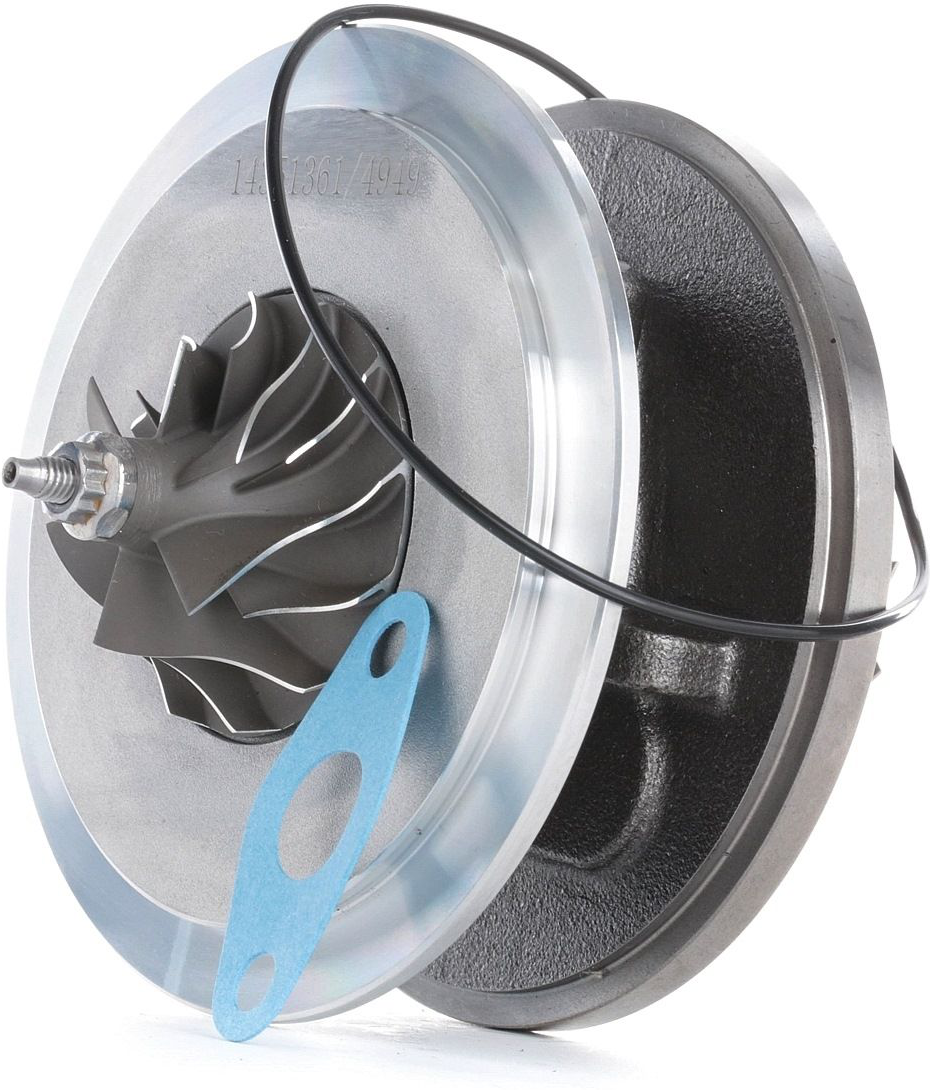
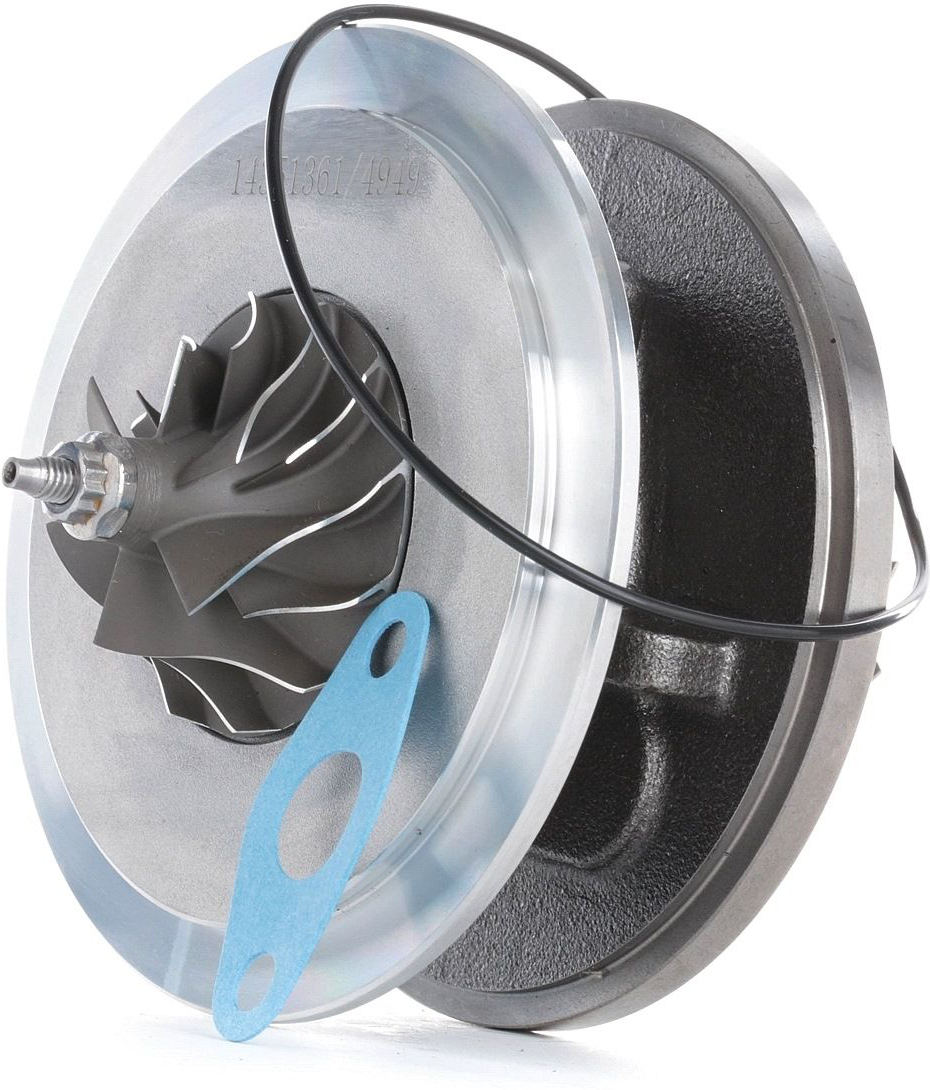
Products related to Turbo:


-
How do I activate the turbo clock frequency?
To activate the turbo clock frequency on your device, you typically need to access the BIOS or UEFI settings. Once in the settings, look for options related to CPU performance or overclocking. You may need to enable a specific setting such as Intel Turbo Boost or AMD Precision Boost to activate the turbo clock frequency. It's important to note that overclocking your CPU can potentially void your warranty and may lead to increased heat generation, so proceed with caution and ensure proper cooling measures are in place. **
-
What is the turbo frequency of AMD CPUs?
The turbo frequency of AMD CPUs varies depending on the specific model. However, many AMD CPUs have a turbo frequency range of 4.0 GHz to 4.7 GHz, with some high-end models reaching even higher turbo frequencies. The turbo frequency allows the CPU to temporarily increase its clock speed to handle demanding tasks, providing a performance boost when needed. **
-
How does the Max Turbo frequency of Intel work?
The Max Turbo frequency of Intel is a feature that allows the processor to dynamically increase its clock speed above the base frequency when there is a demand for more performance. This means that when the workload on the processor increases, the Max Turbo frequency kicks in to provide a temporary boost in processing power. The processor will automatically adjust its frequency within the specified limits to optimize performance while staying within thermal and power limits. This feature is especially useful for tasks that require short bursts of high performance, such as gaming or video editing. **
-
What is the difference between the processor clock frequency and the turbo clock frequency?
The processor clock frequency is the base speed at which the processor operates under normal conditions. The turbo clock frequency, on the other hand, is the maximum speed at which the processor can operate when it needs to perform more demanding tasks. The turbo clock frequency allows the processor to temporarily increase its speed to handle tasks that require more processing power, such as gaming or video editing. **
What is turbo flutter?
Turbo flutter, also known as compressor surge, occurs when the throttle is suddenly closed while the turbocharger is still spinning at high speed. This causes the compressed air to be forced back through the turbocharger, creating a fluttering or chattering sound. Turbo flutter can cause damage to the turbocharger and other components of the engine if it occurs frequently or at high levels. It is often considered undesirable and can be mitigated by using a blow-off valve or adjusting the engine's tuning to prevent sudden throttle closures. **
"Is my turbo broken?"
It's possible that your turbo is broken if you are experiencing symptoms such as loss of power, excessive smoke from the exhaust, or unusual noises coming from the turbo area. However, it's important to have a professional mechanic diagnose the issue to confirm whether the turbo is indeed broken. They can perform a thorough inspection and testing to determine the exact cause of the problem. **
Top-Angebote
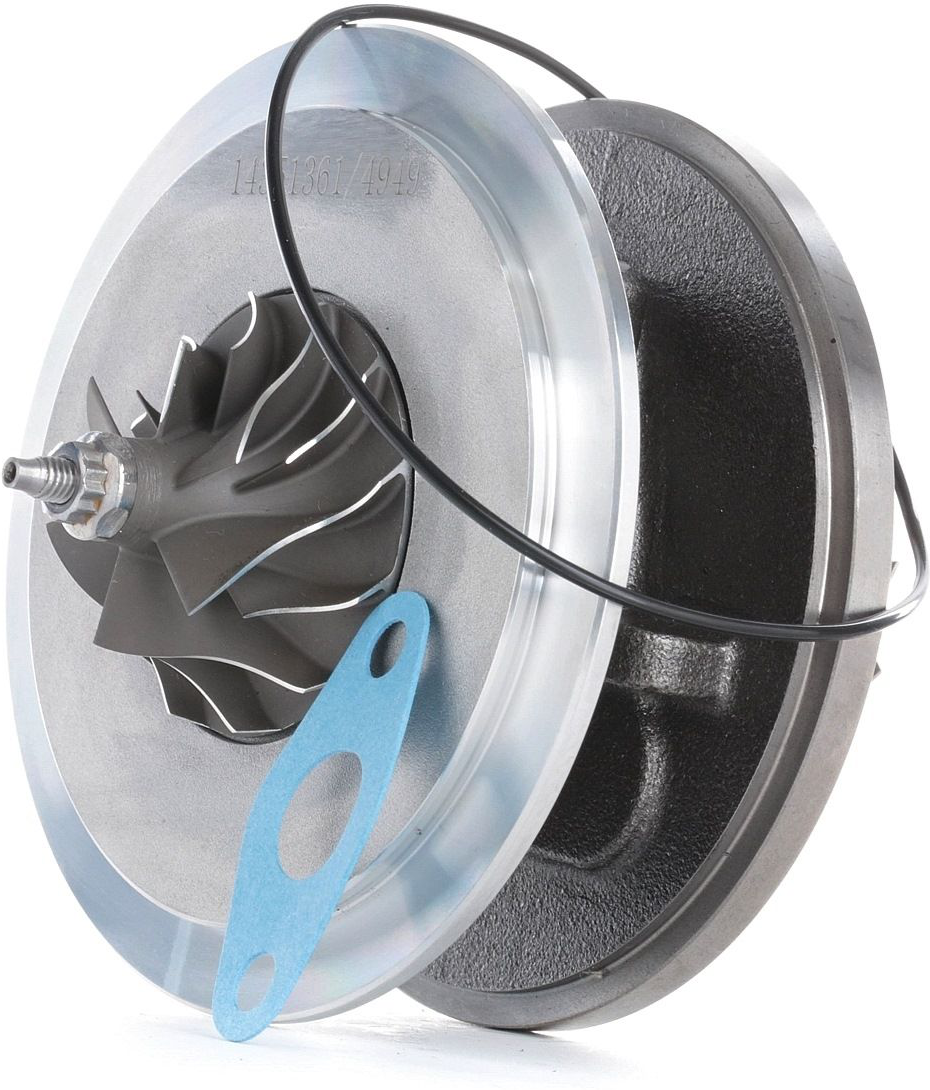
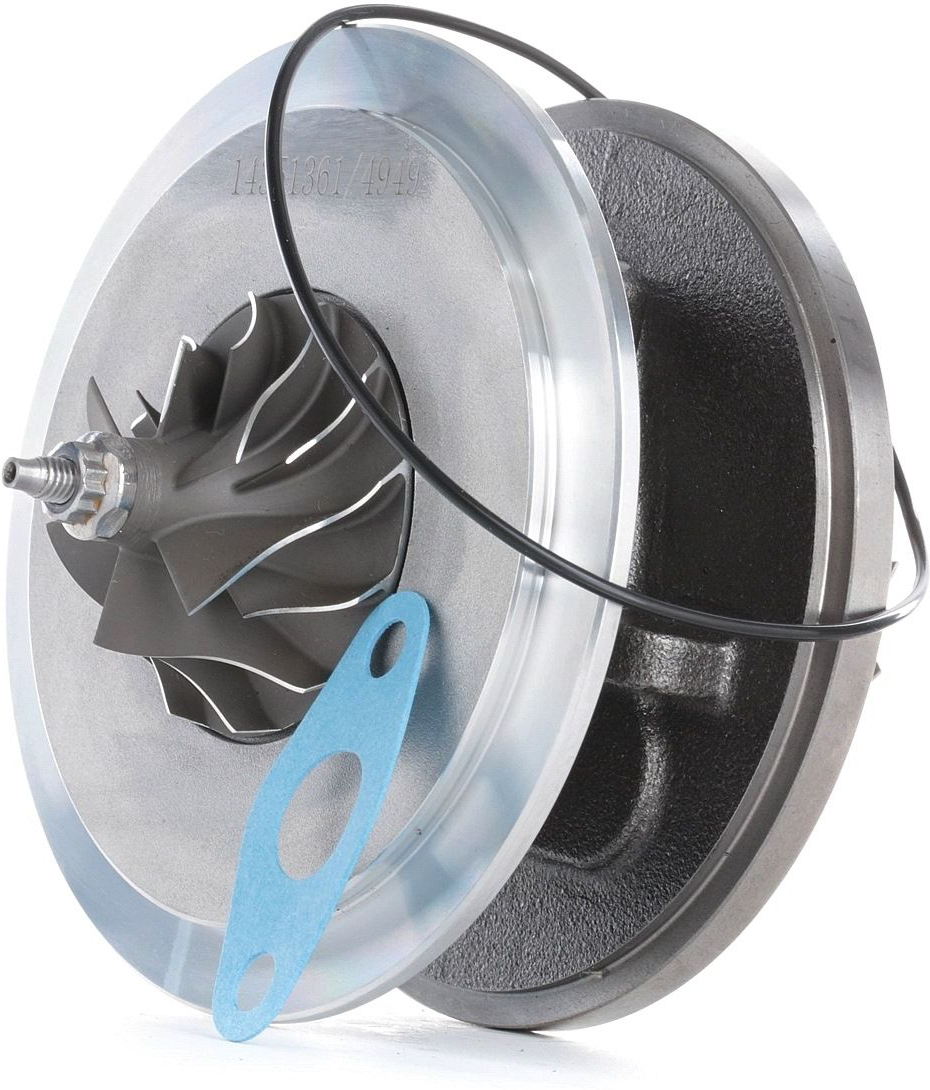
Products related to Turbo:
-
Drop Dash Deals Premium Series Slip Yoke For Turbo Transmission Fits Muncies Premium Series Slip Yoke For Turbo Transmission Fits MunciesEvery build deserves parts that perform when it matters most. This 1 pc of Premium 1350 Series slip yoke is engineered to deliver reliable driveshaft engagement for classic and modern GM swaps alike. Designed for Turbo 400, 4L80E & 4L85E...89,97 $*Shipping: 0,00 $Secure redirect to the provider
-
Base or turbo frequency?
It depends on the specific use case and requirements. The base frequency is the clock speed at which a processor operates under normal conditions, while the turbo frequency is the maximum clock speed the processor can achieve under heavy load. If the application requires consistent performance over long periods of time, then the base frequency may be more important. However, if the application requires short bursts of high performance, then the turbo frequency may be more beneficial. Ultimately, the choice between base or turbo frequency depends on the specific needs of the user or application. **
-
How does Intel's Max Turbo Frequency work?
Intel's Max Turbo Frequency is a feature that allows the processor to dynamically increase its clock speed above the base frequency when needed. This boost in performance is achieved by monitoring the workload and temperature of the processor, and if conditions allow, the processor can temporarily increase its frequency to deliver higher performance. This feature helps improve the overall speed and responsiveness of the system during demanding tasks, such as gaming or video editing. **
-
How do I activate the turbo clock frequency?
To activate the turbo clock frequency on your device, you typically need to access the BIOS or UEFI settings. Once in the settings, look for options related to CPU performance or overclocking. You may need to enable a specific setting such as Intel Turbo Boost or AMD Precision Boost to activate the turbo clock frequency. It's important to note that overclocking your CPU can potentially void your warranty and may lead to increased heat generation, so proceed with caution and ensure proper cooling measures are in place. **
-
What is the turbo frequency of AMD CPUs?
The turbo frequency of AMD CPUs varies depending on the specific model. However, many AMD CPUs have a turbo frequency range of 4.0 GHz to 4.7 GHz, with some high-end models reaching even higher turbo frequencies. The turbo frequency allows the CPU to temporarily increase its clock speed to handle demanding tasks, providing a performance boost when needed. **
Similar search terms for Turbo
-
How does the Max Turbo frequency of Intel work?
The Max Turbo frequency of Intel is a feature that allows the processor to dynamically increase its clock speed above the base frequency when there is a demand for more performance. This means that when the workload on the processor increases, the Max Turbo frequency kicks in to provide a temporary boost in processing power. The processor will automatically adjust its frequency within the specified limits to optimize performance while staying within thermal and power limits. This feature is especially useful for tasks that require short bursts of high performance, such as gaming or video editing. **
-
What is the difference between the processor clock frequency and the turbo clock frequency?
The processor clock frequency is the base speed at which the processor operates under normal conditions. The turbo clock frequency, on the other hand, is the maximum speed at which the processor can operate when it needs to perform more demanding tasks. The turbo clock frequency allows the processor to temporarily increase its speed to handle tasks that require more processing power, such as gaming or video editing. **
-
What is turbo flutter?
Turbo flutter, also known as compressor surge, occurs when the throttle is suddenly closed while the turbocharger is still spinning at high speed. This causes the compressed air to be forced back through the turbocharger, creating a fluttering or chattering sound. Turbo flutter can cause damage to the turbocharger and other components of the engine if it occurs frequently or at high levels. It is often considered undesirable and can be mitigated by using a blow-off valve or adjusting the engine's tuning to prevent sudden throttle closures. **
-
"Is my turbo broken?"
It's possible that your turbo is broken if you are experiencing symptoms such as loss of power, excessive smoke from the exhaust, or unusual noises coming from the turbo area. However, it's important to have a professional mechanic diagnose the issue to confirm whether the turbo is indeed broken. They can perform a thorough inspection and testing to determine the exact cause of the problem. **
* All prices are inclusive of VAT and, if applicable, plus shipping costs. The offer information is based on the details provided by the respective shop and is updated through automated processes. Real-time updates do not occur, so deviations can occur in individual cases. ** Note: Parts of this content were created by AI.