Buy فرکانس.com ?
We are moving the project
فرکانس.com .
Are you interested in purchasing the domain
فرکانس.com ?
domain@kv-gmbh.de · 0541-91531010
Buy فرکانس.com ?
How does signal transmission work?
Signal transmission is the process of sending information from one point to another. It involves encoding the information into a signal, transmitting the signal through a medium such as wires or air, and then decoding the signal at the receiving end to retrieve the original information. The signal can be in the form of electrical, optical, or electromagnetic waves, depending on the medium used for transmission. The success of signal transmission depends on factors such as the strength of the signal, the quality of the medium, and the presence of any interference. **
What are the lengths of the individual dipole antennas on the transmission mast when the frequency is 102 MHz?
The length of a dipole antenna can be calculated using the formula L = 300/f, where L is the length in meters and f is the frequency in MHz. Therefore, for a frequency of 102 MHz, the length of each individual dipole antenna on the transmission mast would be approximately 2.94 meters. This length is half the wavelength of the radio waves being transmitted, as a dipole antenna is a half-wavelength antenna. **
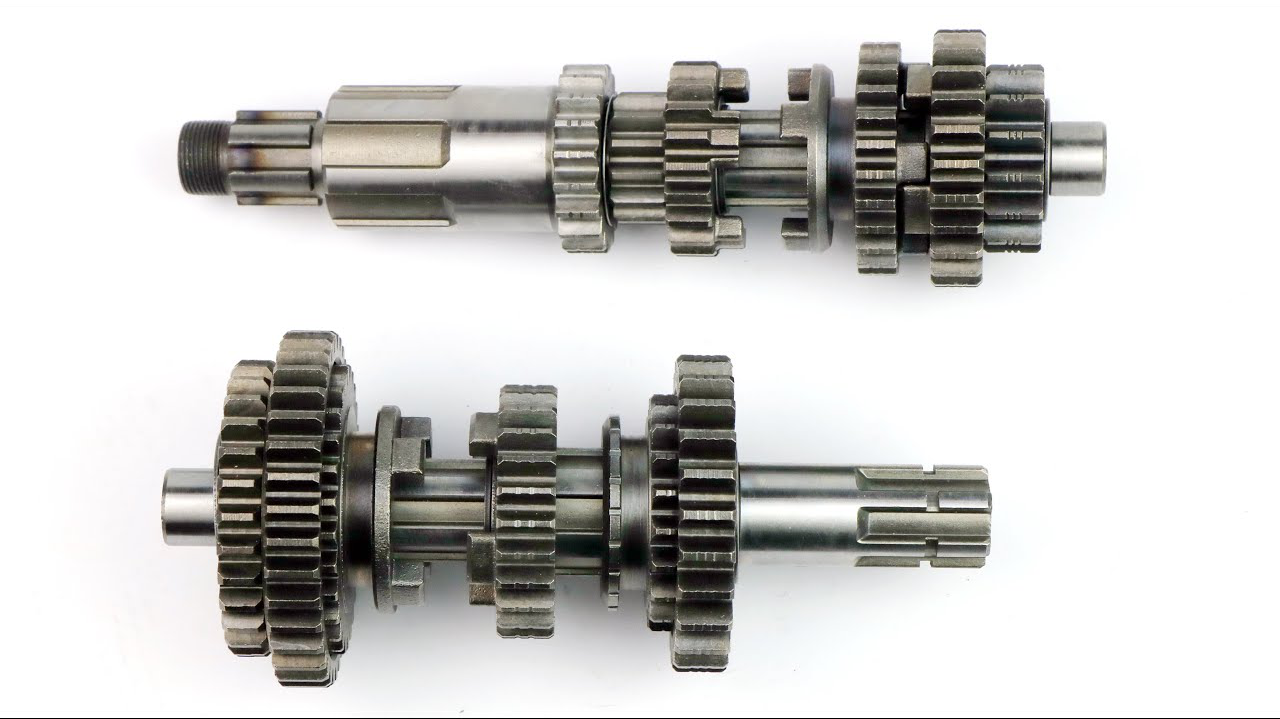

Similar search terms for CEI-102-461-Transmission
Top-Angebote
Products related to CEI-102-461-Transmission:


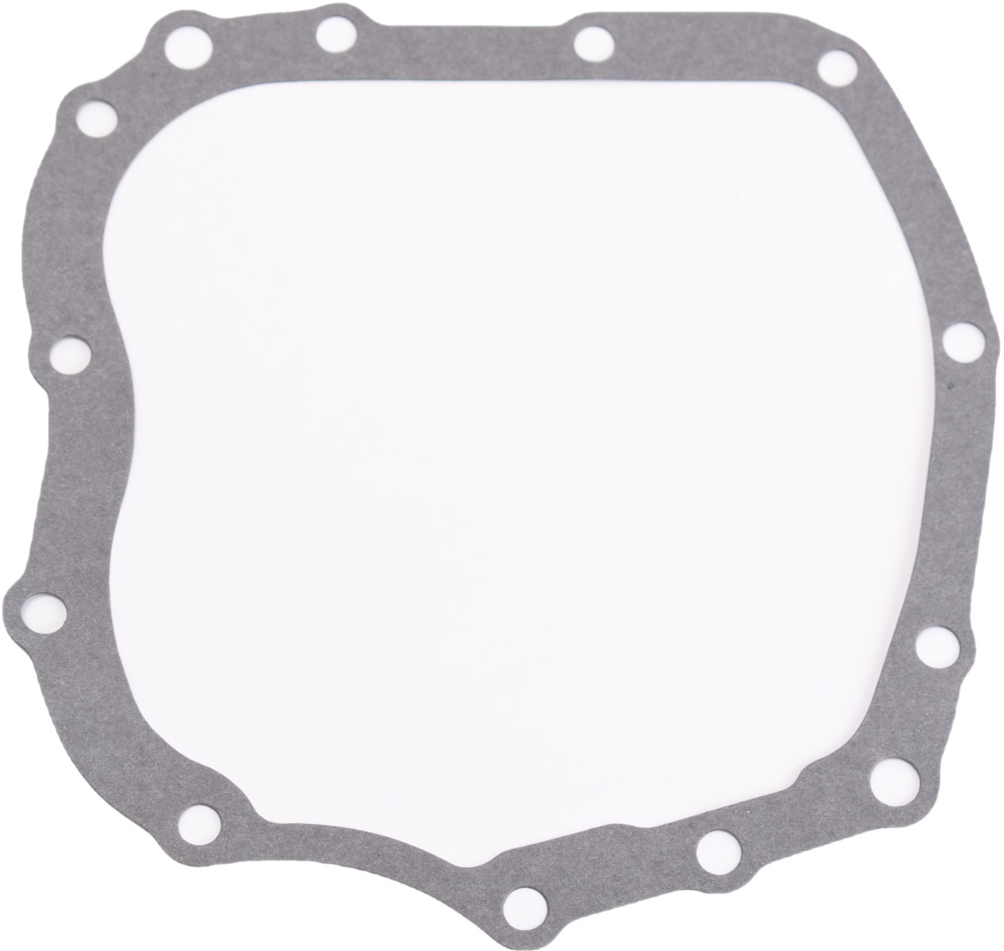

-
How does signal transmission work at synapses?
Signal transmission at synapses involves the release of neurotransmitters from the presynaptic neuron into the synaptic cleft. These neurotransmitters then bind to receptors on the postsynaptic neuron, causing ion channels to open and allowing ions to flow into the postsynaptic neuron. This influx of ions can either depolarize or hyperpolarize the postsynaptic neuron, leading to the generation of an action potential if the threshold is reached. Finally, the neurotransmitters are either broken down or taken back up by the presynaptic neuron to terminate the signal transmission. **
-
What is Physics 461?
Physics 461 is a course that covers advanced topics in classical mechanics. It typically delves into the mathematical and theoretical aspects of classical mechanics, including Lagrangian and Hamiltonian mechanics, central force motion, and rigid body motion. The course often involves solving complex problems and applying advanced mathematical techniques to analyze the behavior of physical systems. It is designed for students who have a strong foundation in physics and mathematics and want to deepen their understanding of classical mechanics. **
-
What about 461 now?
461 is a prime number, meaning it is only divisible by 1 and itself. It is also the 89th prime number. In mathematics, 461 is part of the sequence of prime numbers and has its own unique properties and relationships with other numbers. In everyday life, 461 could represent a variety of things, such as a street address, a room number, or a numerical code. **
-
How can one explain signal transduction and signal transmission?
Signal transduction is the process by which a cell converts an extracellular signal into a specific cellular response. This process typically involves a series of molecular events, including the binding of a signaling molecule to a receptor on the cell surface, activation of intracellular signaling pathways, and ultimately leading to changes in gene expression, metabolism, or other cellular functions. Signal transmission, on the other hand, refers to the propagation of the signal from one cell to another, often through the release of signaling molecules such as hormones or neurotransmitters. Together, signal transduction and signal transmission allow cells to communicate with each other and coordinate their activities in response to external stimuli. **


How does signal transmission at the synapse work?
Signal transmission at the synapse involves the release of neurotransmitters from the presynaptic neuron into the synaptic cleft. These neurotransmitters then bind to receptors on the postsynaptic neuron, causing ion channels to open and allowing ions to flow into the postsynaptic neuron. This influx of ions generates an electrical signal, known as a postsynaptic potential, which can either excite or inhibit the postsynaptic neuron, depending on the type of neurotransmitter and receptors involved. This process allows for the communication of information between neurons in the brain and throughout the nervous system. **
How does signal transmission occur in the synapse?
Signal transmission in the synapse occurs through a process involving neurotransmitters. When an action potential reaches the end of a neuron, it triggers the release of neurotransmitters into the synaptic cleft. These neurotransmitters then bind to receptors on the postsynaptic neuron, causing ion channels to open and allowing ions to flow into the neuron. This influx of ions generates a new action potential in the postsynaptic neuron, continuing the transmission of the signal. **
Top-Angebote
Products related to CEI-102-461-Transmission:
-
How does signal transmission work?
Signal transmission is the process of sending information from one point to another. It involves encoding the information into a signal, transmitting the signal through a medium such as wires or air, and then decoding the signal at the receiving end to retrieve the original information. The signal can be in the form of electrical, optical, or electromagnetic waves, depending on the medium used for transmission. The success of signal transmission depends on factors such as the strength of the signal, the quality of the medium, and the presence of any interference. **
-
What are the lengths of the individual dipole antennas on the transmission mast when the frequency is 102 MHz?
The length of a dipole antenna can be calculated using the formula L = 300/f, where L is the length in meters and f is the frequency in MHz. Therefore, for a frequency of 102 MHz, the length of each individual dipole antenna on the transmission mast would be approximately 2.94 meters. This length is half the wavelength of the radio waves being transmitted, as a dipole antenna is a half-wavelength antenna. **
-
How does signal transmission work at synapses?
Signal transmission at synapses involves the release of neurotransmitters from the presynaptic neuron into the synaptic cleft. These neurotransmitters then bind to receptors on the postsynaptic neuron, causing ion channels to open and allowing ions to flow into the postsynaptic neuron. This influx of ions can either depolarize or hyperpolarize the postsynaptic neuron, leading to the generation of an action potential if the threshold is reached. Finally, the neurotransmitters are either broken down or taken back up by the presynaptic neuron to terminate the signal transmission. **
-
What is Physics 461?
Physics 461 is a course that covers advanced topics in classical mechanics. It typically delves into the mathematical and theoretical aspects of classical mechanics, including Lagrangian and Hamiltonian mechanics, central force motion, and rigid body motion. The course often involves solving complex problems and applying advanced mathematical techniques to analyze the behavior of physical systems. It is designed for students who have a strong foundation in physics and mathematics and want to deepen their understanding of classical mechanics. **
Similar search terms for CEI-102-461-Transmission
-
What about 461 now?
461 is a prime number, meaning it is only divisible by 1 and itself. It is also the 89th prime number. In mathematics, 461 is part of the sequence of prime numbers and has its own unique properties and relationships with other numbers. In everyday life, 461 could represent a variety of things, such as a street address, a room number, or a numerical code. **
-
How can one explain signal transduction and signal transmission?
Signal transduction is the process by which a cell converts an extracellular signal into a specific cellular response. This process typically involves a series of molecular events, including the binding of a signaling molecule to a receptor on the cell surface, activation of intracellular signaling pathways, and ultimately leading to changes in gene expression, metabolism, or other cellular functions. Signal transmission, on the other hand, refers to the propagation of the signal from one cell to another, often through the release of signaling molecules such as hormones or neurotransmitters. Together, signal transduction and signal transmission allow cells to communicate with each other and coordinate their activities in response to external stimuli. **
-
How does signal transmission at the synapse work?
Signal transmission at the synapse involves the release of neurotransmitters from the presynaptic neuron into the synaptic cleft. These neurotransmitters then bind to receptors on the postsynaptic neuron, causing ion channels to open and allowing ions to flow into the postsynaptic neuron. This influx of ions generates an electrical signal, known as a postsynaptic potential, which can either excite or inhibit the postsynaptic neuron, depending on the type of neurotransmitter and receptors involved. This process allows for the communication of information between neurons in the brain and throughout the nervous system. **
-
How does signal transmission occur in the synapse?
Signal transmission in the synapse occurs through a process involving neurotransmitters. When an action potential reaches the end of a neuron, it triggers the release of neurotransmitters into the synaptic cleft. These neurotransmitters then bind to receptors on the postsynaptic neuron, causing ion channels to open and allowing ions to flow into the neuron. This influx of ions generates a new action potential in the postsynaptic neuron, continuing the transmission of the signal. **
* All prices are inclusive of VAT and, if applicable, plus shipping costs. The offer information is based on the details provided by the respective shop and is updated through automated processes. Real-time updates do not occur, so deviations can occur in individual cases. ** Note: Parts of this content were created by AI.