Buy فرکانس.com ?
We are moving the project
فرکانس.com .
Are you interested in purchasing the domain
فرکانس.com ?
domain@kv-gmbh.de · 0541-91531010
Buy فرکانس.com ?
What are wireless transmission methods?
Wireless transmission methods are technologies that allow data to be sent and received without the use of physical connections such as cables. These methods use electromagnetic waves to transmit information through the air. Some common wireless transmission methods include Wi-Fi, Bluetooth, and cellular networks. These technologies are widely used in devices such as smartphones, laptops, and smart home devices to enable communication and data transfer without the need for physical connections. **
What are separation methods?
Separation methods are techniques used to separate mixtures into their individual components. These methods rely on the differences in physical or chemical properties of the substances in the mixture. Common separation methods include filtration, distillation, chromatography, and evaporation. By using these methods, scientists and researchers can isolate and purify specific substances for further analysis or use. **


Similar search terms for Methods
Top-Angebote
Products related to Methods:
-
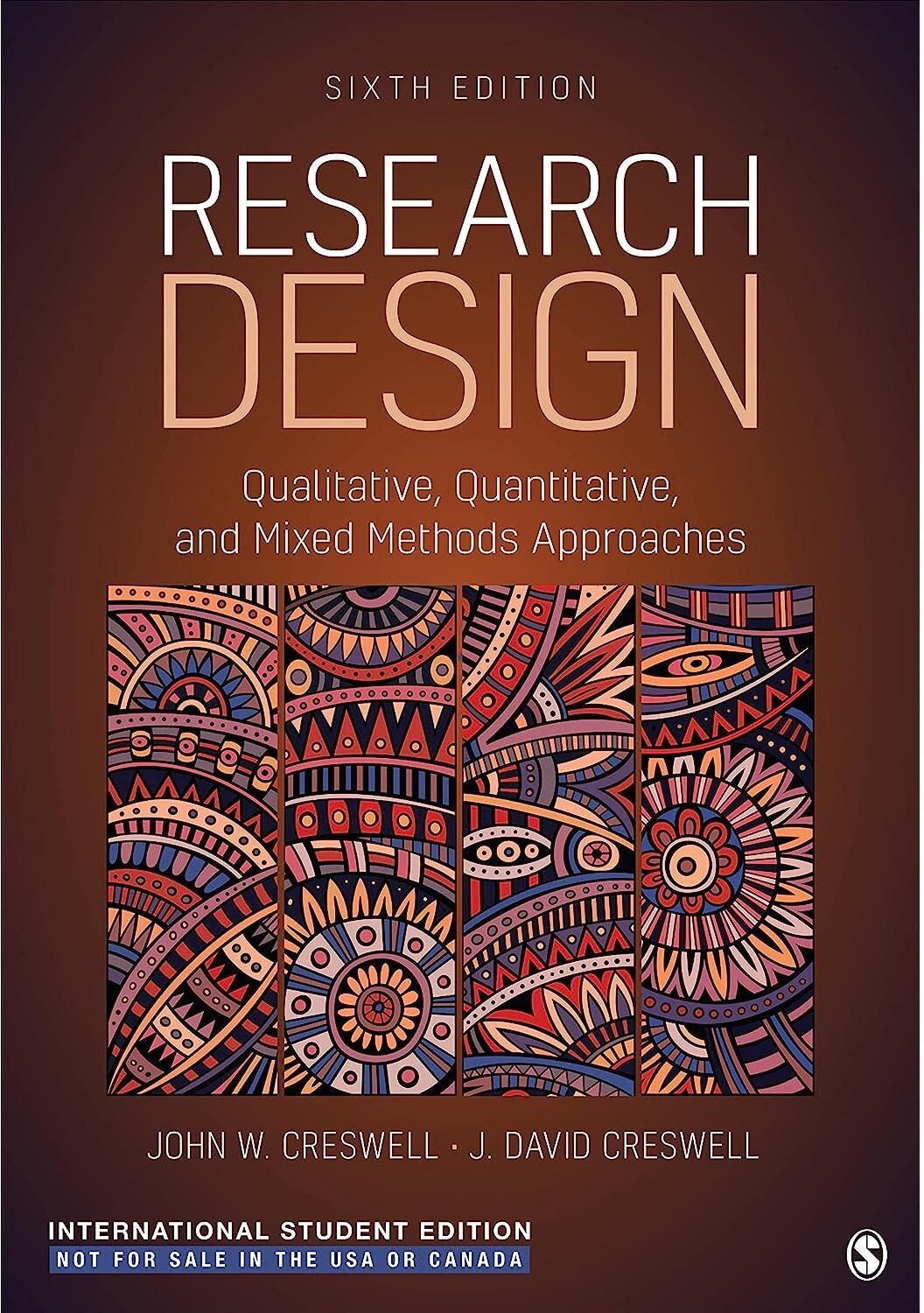
SAGE Publications Research Design - International Student Edition: Qualitative, Quantitative, and Mixed Methods ApproachesThe new edition of the best-selling text, Research Design: Qualitative, Quantitative, and Mixed Methods Approaches, continues the pioneering tradition of providing clear and concise instruction for understanding research and developing proposals for all three approaches. John W. Creswell and co-author J. David Creswell include a preliminary consideration of philosophical assumptions, a review of the literature, an assessment of the use of theory in research approaches, and reflections about the importance of writing and ethics in scholarly inquiry in a way that is applicable to all types of research. Key elements of the research process, giving specific attention to each approach. The book has been lauded for its language and tone, which are both accessible and inviting. It is a text that students keep and continue to use as a resource throughout their studies, once the specific class is over. The Sixth Edition includes more coverage of community-based participatory research, comparisons of qualitative and quantitative research, an expanded glossary with basic terms, updated examples of social, behavioural, and health research, new coverage of ethical requirements, updated APA 7th edition coverage, and additional exercises aimed at research projects.59,95 £*Shipping: 0,00 £Secure redirect to the provider
-
Mitchell Beazley Pie Cooking Fundamentals & Advanced Methods - 1 Book Collection Set - Cookery & Food Books - PaperbackTitle:. Pie Cooking Fundamentals & Advanced Methods Format: Paperback Overview:. This comprehensive culinary guide dives deep into the art and science of pie baking, transforming novice kitchen enthusiasts into confident pastry makers. Designed as both an essential reference and a hands-on recipe collection, it systematically breaks down the complex process of creating perfect pies from scratch. Readers are guided through every critical stage, starting with dough development, fat selection, temperature control, and gluten management. The narrative then progresses toward traditional fruit fillings, savory custards, blind-baking techniques, and modern flavour combinations. Each chapter builds methodically upon the last, ensuring that foundational skills are mastered before tackling more intricate recipes. Whether you are looking to revive family recipes, develop consistent results at home, or explore professional-grade pastry work, this volume serves as a structured learning path. By combining clear step-by-step instructions with practical troubleshooting advice, it removes the guesswork associated with pie making. The compilation emphasises balance between crisp, flaky crusts and moist, intensely flavoured cores. Every recipe is paired with contextual notes that explain the chemistry behind lamination, sugar crystallisation, and starch thickening, turning each preparation into a repeatable success. What Makes This Book Stand Out:. Unlike casual recipe collections, this publication operates as a thorough technical manual wrapped in approachable language. It separates myth from reality regarding oven springs, water temperature adjustments, and resting periods crucial for pastry handling. The layout prioritises actionable insights over unnecessary fluff, featuring visual markers for difficulty levels, preparation milestones, and equipment recommendations. Readers discover why certain flours behave differently, how ambient humidity impacts rolling dough, and which sweeteners prevent gumminess in fruit compotes. Advanced chapters introduce signature techniques such as lattice drafting, top-crust ventilation strategies, and glazing applications that deliver mirror-like finishes. Savoury sections cover meat-binding solutions, vegetable moisture reduction, and cheese melt dynamics within enclosed bakes. Diagnostic guides help cooks recover from collapsed centres, undercooked bases, or soggy bottoms using simple corrections mid-process. This emphasis on problem-solving elevates the reading experience from passive consumption to active skill acquisition, guaranteeing tangible improvements after every attempt. Who This Book Is Perfect For:. This resource caters to home cooks seeking reliable consistency, weekend bakers eager to impress guests, and aspiring pastry professionals preparing for commercial kitchens. Beginners benefit from foundational breakdowns that establish proper hand movements and mixing sequences, while intermediate bakers will appreciate...14,99 £*Shipping: 2,99 £Secure redirect to the provider



-
How do methods grow?
Methods grow through continuous learning, experimentation, and adaptation. As researchers and practitioners gain new insights and knowledge, they refine existing methods and develop new ones to address emerging challenges. Collaboration and feedback from the community also play a crucial role in the growth of methods, as different perspectives and experiences contribute to their evolution. Additionally, advancements in technology and tools often drive the development of more efficient and effective methods. **
-
What are investigation methods?
Investigation methods are the techniques and procedures used to gather information, evidence, and data in order to uncover the truth about a particular situation or event. These methods can include interviews, surveillance, forensic analysis, data collection and analysis, and research. Investigators use these methods to systematically gather and analyze information in order to solve a problem, answer a question, or resolve a dispute. The goal of investigation methods is to gather accurate and reliable information that can be used to make informed decisions or take appropriate action. **
-
Which methods manifest themselves?
Various methods manifest themselves in different ways depending on the context. Some common methods include problem-solving, decision-making, communication, collaboration, and critical thinking. These methods can be observed through actions such as brainstorming ideas, analyzing data, discussing options, working together towards a common goal, and evaluating different perspectives. Each method plays a crucial role in achieving objectives and solving challenges effectively. **
-
Why do audio files have an asymmetric amplitude spectrum?
Audio files have an asymmetric amplitude spectrum because they contain a wide range of frequencies, with some frequencies being more dominant than others. This results in a non-uniform distribution of amplitudes across the frequency spectrum, leading to an asymmetric shape. Additionally, the human auditory system is more sensitive to certain frequencies, which can also contribute to the asymmetry in the amplitude spectrum of audio files. Overall, the complex combination of different frequencies and their varying amplitudes results in an asymmetric amplitude spectrum in audio files. **


What is frequency, angular frequency, peak factor, amplitude, and instantaneous value?
Frequency is the number of occurrences of a repeating event per unit of time, typically measured in hertz (Hz). Angular frequency is a measure of how quickly an object moves through a circular path, and is measured in radians per second. Peak factor is the ratio of the peak value of a waveform to its RMS (root mean square) value, and is a measure of the waveform's peakiness. Amplitude is the maximum displacement or distance moved by a point on a vibrating body or wave from its central position. Instantaneous value refers to the value of a varying quantity at a particular instant in time. **
What are incorrect irrigation methods?
Incorrect irrigation methods include overwatering, which can lead to waterlogging and root rot in plants. Another incorrect method is underwatering, which can cause plants to become stressed and wilt. Additionally, using sprinklers during the hottest part of the day can result in water loss due to evaporation before it reaches the plants' roots. It is important to use proper irrigation techniques to ensure the health and growth of plants. **
Top-Angebote
Products related to Methods:
-
SAGE Publications Case Study Research and Applications: Design and MethodsRecognized as one of the most cited methodology books in the social sciences, the Sixth Edition of Robert K. Yin′s bestselling text provides a complete portal to the world of case study research. With the integration of 11 applications in this edition, the book gives readers access to exemplary case studies drawn from a wide variety of academic and applied fields. Ultimately, Case Study Research and Applications will guide students in the successful use and application of the case study research method.59,99 £*Shipping: 0,00 £Secure redirect to the provider
-
SAGE Publications Research Design - International Student Edition: Qualitative, Quantitative, and Mixed Methods ApproachesThe new edition of the best-selling text, Research Design: Qualitative, Quantitative, and Mixed Methods Approaches, continues the pioneering tradition of providing clear and concise instruction for understanding research and developing proposals for all three approaches. John W. Creswell and co-author J. David Creswell include a preliminary consideration of philosophical assumptions, a review of the literature, an assessment of the use of theory in research approaches, and reflections about the importance of writing and ethics in scholarly inquiry in a way that is applicable to all types of research. Key elements of the research process, giving specific attention to each approach. The book has been lauded for its language and tone, which are both accessible and inviting. It is a text that students keep and continue to use as a resource throughout their studies, once the specific class is over. The Sixth Edition includes more coverage of community-based participatory research, comparisons of qualitative and quantitative research, an expanded glossary with basic terms, updated examples of social, behavioural, and health research, new coverage of ethical requirements, updated APA 7th edition coverage, and additional exercises aimed at research projects.59,95 £*Shipping: 0,00 £Secure redirect to the provider
-
What are wireless transmission methods?
Wireless transmission methods are technologies that allow data to be sent and received without the use of physical connections such as cables. These methods use electromagnetic waves to transmit information through the air. Some common wireless transmission methods include Wi-Fi, Bluetooth, and cellular networks. These technologies are widely used in devices such as smartphones, laptops, and smart home devices to enable communication and data transfer without the need for physical connections. **
-
What are separation methods?
Separation methods are techniques used to separate mixtures into their individual components. These methods rely on the differences in physical or chemical properties of the substances in the mixture. Common separation methods include filtration, distillation, chromatography, and evaporation. By using these methods, scientists and researchers can isolate and purify specific substances for further analysis or use. **
-
How do methods grow?
Methods grow through continuous learning, experimentation, and adaptation. As researchers and practitioners gain new insights and knowledge, they refine existing methods and develop new ones to address emerging challenges. Collaboration and feedback from the community also play a crucial role in the growth of methods, as different perspectives and experiences contribute to their evolution. Additionally, advancements in technology and tools often drive the development of more efficient and effective methods. **
-
What are investigation methods?
Investigation methods are the techniques and procedures used to gather information, evidence, and data in order to uncover the truth about a particular situation or event. These methods can include interviews, surveillance, forensic analysis, data collection and analysis, and research. Investigators use these methods to systematically gather and analyze information in order to solve a problem, answer a question, or resolve a dispute. The goal of investigation methods is to gather accurate and reliable information that can be used to make informed decisions or take appropriate action. **
Similar search terms for Methods
-
Mitchell Beazley Pie Cooking Fundamentals & Advanced Methods - 1 Book Collection Set - Cookery & Food Books - PaperbackTitle:. Pie Cooking Fundamentals & Advanced Methods Format: Paperback Overview:. This comprehensive culinary guide dives deep into the art and science of pie baking, transforming novice kitchen enthusiasts into confident pastry makers. Designed as both an essential reference and a hands-on recipe collection, it systematically breaks down the complex process of creating perfect pies from scratch. Readers are guided through every critical stage, starting with dough development, fat selection, temperature control, and gluten management. The narrative then progresses toward traditional fruit fillings, savory custards, blind-baking techniques, and modern flavour combinations. Each chapter builds methodically upon the last, ensuring that foundational skills are mastered before tackling more intricate recipes. Whether you are looking to revive family recipes, develop consistent results at home, or explore professional-grade pastry work, this volume serves as a structured learning path. By combining clear step-by-step instructions with practical troubleshooting advice, it removes the guesswork associated with pie making. The compilation emphasises balance between crisp, flaky crusts and moist, intensely flavoured cores. Every recipe is paired with contextual notes that explain the chemistry behind lamination, sugar crystallisation, and starch thickening, turning each preparation into a repeatable success. What Makes This Book Stand Out:. Unlike casual recipe collections, this publication operates as a thorough technical manual wrapped in approachable language. It separates myth from reality regarding oven springs, water temperature adjustments, and resting periods crucial for pastry handling. The layout prioritises actionable insights over unnecessary fluff, featuring visual markers for difficulty levels, preparation milestones, and equipment recommendations. Readers discover why certain flours behave differently, how ambient humidity impacts rolling dough, and which sweeteners prevent gumminess in fruit compotes. Advanced chapters introduce signature techniques such as lattice drafting, top-crust ventilation strategies, and glazing applications that deliver mirror-like finishes. Savoury sections cover meat-binding solutions, vegetable moisture reduction, and cheese melt dynamics within enclosed bakes. Diagnostic guides help cooks recover from collapsed centres, undercooked bases, or soggy bottoms using simple corrections mid-process. This emphasis on problem-solving elevates the reading experience from passive consumption to active skill acquisition, guaranteeing tangible improvements after every attempt. Who This Book Is Perfect For:. This resource caters to home cooks seeking reliable consistency, weekend bakers eager to impress guests, and aspiring pastry professionals preparing for commercial kitchens. Beginners benefit from foundational breakdowns that establish proper hand movements and mixing sequences, while intermediate bakers will appreciate...14,99 £*Shipping: 2,99 £Secure redirect to the provider
-
LightInthebox Men's Tactical Crossbody Chest Bag - Waterproof Multi-compartment Shoulder Backpack, Multiple Carrying Methods, Sporty Outdoor Style, Suitable for Travel, Hiking and Daily CommutingCategory:Crossbody Bag; Embellishment:Zipper,Multiple pockets; Gender:Men's; Type:Chest Bag; Occasion:Casual,Casual Daily,Outdoor; Material:Nylon; Closure Type:Zipper; Height:31.5; Function:Lightweight,Durable,Multi Carry; Pattern:Solid Color;...26,99 $*Shipping: 7,99 $Secure redirect to the provider
-
Which methods manifest themselves?
Various methods manifest themselves in different ways depending on the context. Some common methods include problem-solving, decision-making, communication, collaboration, and critical thinking. These methods can be observed through actions such as brainstorming ideas, analyzing data, discussing options, working together towards a common goal, and evaluating different perspectives. Each method plays a crucial role in achieving objectives and solving challenges effectively. **
-
Why do audio files have an asymmetric amplitude spectrum?
Audio files have an asymmetric amplitude spectrum because they contain a wide range of frequencies, with some frequencies being more dominant than others. This results in a non-uniform distribution of amplitudes across the frequency spectrum, leading to an asymmetric shape. Additionally, the human auditory system is more sensitive to certain frequencies, which can also contribute to the asymmetry in the amplitude spectrum of audio files. Overall, the complex combination of different frequencies and their varying amplitudes results in an asymmetric amplitude spectrum in audio files. **
-
What is frequency, angular frequency, peak factor, amplitude, and instantaneous value?
Frequency is the number of occurrences of a repeating event per unit of time, typically measured in hertz (Hz). Angular frequency is a measure of how quickly an object moves through a circular path, and is measured in radians per second. Peak factor is the ratio of the peak value of a waveform to its RMS (root mean square) value, and is a measure of the waveform's peakiness. Amplitude is the maximum displacement or distance moved by a point on a vibrating body or wave from its central position. Instantaneous value refers to the value of a varying quantity at a particular instant in time. **
-
What are incorrect irrigation methods?
Incorrect irrigation methods include overwatering, which can lead to waterlogging and root rot in plants. Another incorrect method is underwatering, which can cause plants to become stressed and wilt. Additionally, using sprinklers during the hottest part of the day can result in water loss due to evaporation before it reaches the plants' roots. It is important to use proper irrigation techniques to ensure the health and growth of plants. **
* All prices are inclusive of VAT and, if applicable, plus shipping costs. The offer information is based on the details provided by the respective shop and is updated through automated processes. Real-time updates do not occur, so deviations can occur in individual cases. ** Note: Parts of this content were created by AI.