Buy فرکانس.com ?
We are moving the project
فرکانس.com .
Are you interested in purchasing the domain
فرکانس.com ?
domain@kv-gmbh.de · 0541-91531010
Buy فرکانس.com ?
'Will + participle 2?'
"Will + participle 2" is a construction used to form the future perfect tense in English. It is used to indicate an action that will be completed before a specific point in the future. This construction is formed by using the auxiliary verb "will" followed by the past participle of the main verb. For example, "By the time you arrive, I will have finished my homework." **
What are the Latin forms of the present participle, perfect passive participle, and future active participle?
The Latin present participle is formed by adding -ns, -ntis to the present stem of the verb. For example, the present participle of the verb "amo" (I love) is "amans, amantis" (loving). The perfect passive participle is formed by adding -us, -a, -um to the verb stem. For example, the perfect passive participle of the verb "amo" is "amatus, amata, amatum" (loved). The future active participle is formed by adding -urus, -ura, -urum to the verb stem. For example, the future active participle of the verb "amo" is "amaturus, amatura, amaturum" (about to love). **

Similar search terms for Participle
Top-Angebote
Products related to Participle:
-
Frequency Stripe Wallpaper in Greys & YellowsMultiple stripes are brushed with vigorous speed to create vibrancy in this design. This stripe has a, Zen-like, relaxed quality that could create a calming atmosphere. Add dimension to your space with this design.50,12 $*Shipping: 0,00 $Secure redirect to the provider
-
Uplift Picks Ultrasonic Jewelry Cleaner Portable High Frequency Cleaning Machine Ultrasonic Jewelry Cleaner Portable High Frequency Cleaning MachineBring back the shine to your everyday items with this ultrasonic jewelry cleaner designed for effortless deep cleaning. Using high frequency vibrations, it removes dirt and buildup from hard to reach areas without harsh scrubbing. Compact and easy...56,98 $*Shipping: 0,00 $Secure redirect to the provider
-
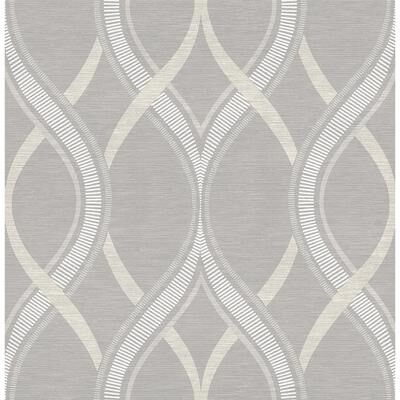
A-Street Prints Frequency Grey Ogee WallpaperRecreate the look of your room with this elegant and mod wallpaper design. A warm grey texture topped with a swirling ogee geometric, brings depth and dimension to walls featuring chic raised inks for the perfect finishing touch.100,03 $*Shipping: 0,00 $Secure redirect to the provider



-
What are participle clauses?
Participle clauses are a type of clause that uses a present participle (-ing form) or a past participle (-ed form) to provide additional information about the subject of the main clause. They can be used to show simultaneous actions, cause and effect, or to provide descriptive details. For example, in the sentence "Feeling tired, she decided to go to bed," the participle clause "Feeling tired" provides additional information about the subject "she." **
-
What is a participle?
A participle is a form of a verb that can function as an adjective or be part of a verb phrase. There are two types of participles in English: the present participle, which ends in -ing (e.g. "walking"), and the past participle, which can end in -ed, -en, -d, -t, -n, or -ne (e.g. "broken"). Participles are used to modify nouns or pronouns, and they can also be used to form verb tenses such as the present perfect or past perfect. **
-
What is the difference between the past participle and the present participle?
The past participle is a verb form used to indicate a completed action or state that occurred in the past. It is often used with auxiliary verbs to form the perfect tenses (e.g., "has eaten," "had gone"). The present participle, on the other hand, is a verb form used to indicate an ongoing action or state in the present or future. It is formed by adding "-ing" to the base form of the verb and is used to create the progressive tenses (e.g., "is eating," "will be going"). **
-
How can the terms premature, simultaneous, and subsequent be explained in relation to past participle, present participle, and future participle?
The terms premature, simultaneous, and subsequent can be explained in relation to past participle, present participle, and future participle based on their timing in relation to the action of the verb. The past participle refers to an action that has already been completed, making it premature in relation to the present moment. The present participle refers to an action that is happening at the same time as something else, making it simultaneous. The future participle refers to an action that will happen at a later time, making it subsequent to the present moment. These terms help to clarify the timing of the action in relation to the verb. **


What are signal words for the Simple Past and the Past Participle?
Signal words for the Simple Past tense include yesterday, last week, ago, and in 2010. Signal words for the Past Participle tense include already, just, never, and ever. These signal words help indicate the specific time frame in which the action took place. **
What is a nominalized participle?
A nominalized participle is a verb form that has been turned into a noun. This is done by adding a suffix to the participle form of the verb, which allows it to function as a noun in a sentence. Nominalized participles are commonly used in various languages to express actions or qualities in a more abstract or general way. **
Top-Angebote
Products related to Participle:
-
Inspired Deals Digital Transceiver For Low Latency Drone Video Transmission Stable Signal Module Digital Transceiver For Low Latency Drone Video Transmission Stable Signal ModuleTake control of every flight with confidence and clarity. This DJI Neo 2 digital transceiver is designed for drone enthusiasts and professionals who demand smooth, realtime video transmission without frustrating delays. Whether you're capturing...64,97 $*Shipping: 0,00 $Secure redirect to the provider
-
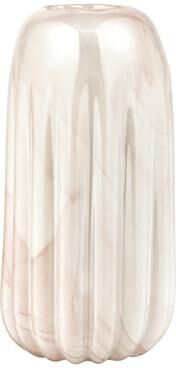
Atlas Lighting and Home Atlas Amplitude Pale Pink Marbled Glass VaseThe Amplitude large vase is made from glass and features a ridged design in a pale pink marbleized finish. This piece is ideal for subtly introducing a light, feminine color palette to a chic, modern interior.38,99 $*Shipping: 0,00 $Secure redirect to the provider
-
Frequency Stripe Wallpaper in Greys & YellowsMultiple stripes are brushed with vigorous speed to create vibrancy in this design. This stripe has a, Zen-like, relaxed quality that could create a calming atmosphere. Add dimension to your space with this design.50,12 $*Shipping: 0,00 $Secure redirect to the provider
-
Uplift Picks Ultrasonic Jewelry Cleaner Portable High Frequency Cleaning Machine Ultrasonic Jewelry Cleaner Portable High Frequency Cleaning MachineBring back the shine to your everyday items with this ultrasonic jewelry cleaner designed for effortless deep cleaning. Using high frequency vibrations, it removes dirt and buildup from hard to reach areas without harsh scrubbing. Compact and easy...56,98 $*Shipping: 0,00 $Secure redirect to the provider
-
'Will + participle 2?'
"Will + participle 2" is a construction used to form the future perfect tense in English. It is used to indicate an action that will be completed before a specific point in the future. This construction is formed by using the auxiliary verb "will" followed by the past participle of the main verb. For example, "By the time you arrive, I will have finished my homework." **
-
What are the Latin forms of the present participle, perfect passive participle, and future active participle?
The Latin present participle is formed by adding -ns, -ntis to the present stem of the verb. For example, the present participle of the verb "amo" (I love) is "amans, amantis" (loving). The perfect passive participle is formed by adding -us, -a, -um to the verb stem. For example, the perfect passive participle of the verb "amo" is "amatus, amata, amatum" (loved). The future active participle is formed by adding -urus, -ura, -urum to the verb stem. For example, the future active participle of the verb "amo" is "amaturus, amatura, amaturum" (about to love). **
-
What are participle clauses?
Participle clauses are a type of clause that uses a present participle (-ing form) or a past participle (-ed form) to provide additional information about the subject of the main clause. They can be used to show simultaneous actions, cause and effect, or to provide descriptive details. For example, in the sentence "Feeling tired, she decided to go to bed," the participle clause "Feeling tired" provides additional information about the subject "she." **
-
What is a participle?
A participle is a form of a verb that can function as an adjective or be part of a verb phrase. There are two types of participles in English: the present participle, which ends in -ing (e.g. "walking"), and the past participle, which can end in -ed, -en, -d, -t, -n, or -ne (e.g. "broken"). Participles are used to modify nouns or pronouns, and they can also be used to form verb tenses such as the present perfect or past perfect. **
Similar search terms for Participle
-
A-Street Prints Frequency Grey Ogee WallpaperRecreate the look of your room with this elegant and mod wallpaper design. A warm grey texture topped with a swirling ogee geometric, brings depth and dimension to walls featuring chic raised inks for the perfect finishing touch.100,03 $*Shipping: 0,00 $Secure redirect to the provider
-
Killer Frequency (Xbox Series X / Xbox One)Killer Frequency for Xbox Series X and Xbox One is a gripping narrative-driven horror adventure set in a small-town radio station during the late 1980s. As a late-night radio host, you must guide callers through terrifying situations, making critical decisions that determine who lives and who dies, all while uncovering the mystery behind a ruthless serial killer on the loose. Key Features Story-driven horror adventure with multiple branching outcomes Set in a nostalgic 1980s small-town radio station Decision-based gameplay where choices directly impact survival Atmospheric tension with voice acting and immersive sound design Puzzle-solving elements combined with real-time decision making Stylised visuals inspired by classic slasher films Optimised performance across Xbox Series X and Xbox One Benefits Experience a highly immersive horror narrative shaped by your choices Replayable storyline with multiple endings Perfect blend of suspense, storytelling and puzzle gameplay Ideal for players who enjoy psychological horror over jump scares Accessible gameplay with deep narrative consequences Specifications Table Specification Details Platform Xbox Series X / Xbox One Genre Narrative Adventure / Horror Game Mode Single Player PEGI Rating 16 Developer Team17 Digital Publisher Team17 Format Physical Disc Language English Compatibility Xbox Series X, Xbox One12,24 £*Shipping: 0,00 £Secure redirect to the provider
-
Uplift Essentials Cordless Ultrasonic Cutter 40kHz High Frequency Precision Craft Tool Cordless Ultrasonic Cutter 40kHz High Frequency Precision Craft ToolExperience the future of fabrication with a tool that slices through tough materials as if they were butter. This cordless ultrasonic cutter utilizes a highfrequency vibration of 40,000 cycles per second (40kHz) to reduce friction between the blade...591,97 $*Shipping: 0,00 $Secure redirect to the provider
-
What is the difference between the past participle and the present participle?
The past participle is a verb form used to indicate a completed action or state that occurred in the past. It is often used with auxiliary verbs to form the perfect tenses (e.g., "has eaten," "had gone"). The present participle, on the other hand, is a verb form used to indicate an ongoing action or state in the present or future. It is formed by adding "-ing" to the base form of the verb and is used to create the progressive tenses (e.g., "is eating," "will be going"). **
-
How can the terms premature, simultaneous, and subsequent be explained in relation to past participle, present participle, and future participle?
The terms premature, simultaneous, and subsequent can be explained in relation to past participle, present participle, and future participle based on their timing in relation to the action of the verb. The past participle refers to an action that has already been completed, making it premature in relation to the present moment. The present participle refers to an action that is happening at the same time as something else, making it simultaneous. The future participle refers to an action that will happen at a later time, making it subsequent to the present moment. These terms help to clarify the timing of the action in relation to the verb. **
-
What are signal words for the Simple Past and the Past Participle?
Signal words for the Simple Past tense include yesterday, last week, ago, and in 2010. Signal words for the Past Participle tense include already, just, never, and ever. These signal words help indicate the specific time frame in which the action took place. **
-
What is a nominalized participle?
A nominalized participle is a verb form that has been turned into a noun. This is done by adding a suffix to the participle form of the verb, which allows it to function as a noun in a sentence. Nominalized participles are commonly used in various languages to express actions or qualities in a more abstract or general way. **
* All prices are inclusive of VAT and, if applicable, plus shipping costs. The offer information is based on the details provided by the respective shop and is updated through automated processes. Real-time updates do not occur, so deviations can occur in individual cases. ** Note: Parts of this content were created by AI.