Buy فرکانس.com ?
We are moving the project
فرکانس.com .
Are you interested in purchasing the domain
فرکانس.com ?
domain@kv-gmbh.de · 0541-91531010
Buy فرکانس.com ?
Why are all stainless steels considered to be stainless steels?
All stainless steels are considered to be stainless because they contain a minimum of 10.5% chromium, which creates a protective layer of chromium oxide on the surface of the steel. This layer prevents corrosion and staining, giving stainless steel its characteristic resistance to rust and corrosion. Additionally, stainless steels may also contain other alloying elements such as nickel, molybdenum, or titanium, which further enhance their resistance to corrosion and staining. Therefore, all stainless steels share the common characteristic of being resistant to rust and corrosion, making them suitable for a wide range of applications. **
Which stainless steels are magnetic?
Stainless steels that are magnetic are primarily the ferritic and martensitic types. Ferritic stainless steels, such as grades 409, 430, and 439, contain high levels of chromium but low levels of carbon, making them magnetic. Martensitic stainless steels, like grades 410 and 420, are also magnetic due to their high carbon content and the addition of elements like nickel and chromium. Austenitic stainless steels, on the other hand, such as grades 304 and 316, are non-magnetic due to their crystal structure. **


Similar search terms for Steels
Top-Angebote
Products related to Steels:
-
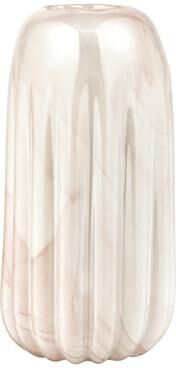
Atlas Lighting and Home Atlas Amplitude Pale Pink Marbled Glass VaseThe Amplitude large vase is made from glass and features a ridged design in a pale pink marbleized finish. This piece is ideal for subtly introducing a light, feminine color palette to a chic, modern interior.38,99 $*Shipping: 0,00 $Secure redirect to the provider
-
"""Domaine du Tariquet""" """Domaine du Tariquet Amplitude 2024 White Wine - France""""""Amplitude offers an exceptionally fresh and very aromatic complexity with notes of citrus, white flowers, exotic fruits, in particular mango. A rich and textured wine with great length, Amplitude is as unique as it is delicious and will arouse the..."29,99 $*Shipping: 0,00 $Secure redirect to the provider
-
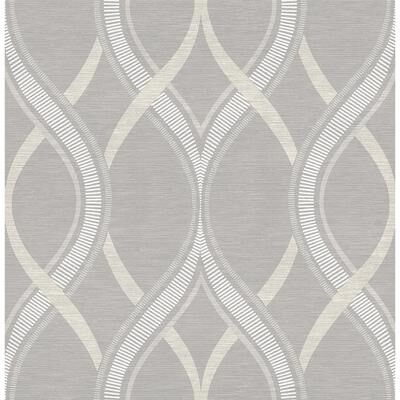
Frequency Stripe Wallpaper in Greys & YellowsMultiple stripes are brushed with vigorous speed to create vibrancy in this design. This stripe has a, Zen-like, relaxed quality that could create a calming atmosphere. Add dimension to your space with this design.50,12 $*Shipping: 0,00 $Secure redirect to the provider
-
Uplift Picks Ultrasonic Jewelry Cleaner Portable High Frequency Cleaning Machine Ultrasonic Jewelry Cleaner Portable High Frequency Cleaning MachineBring back the shine to your everyday items with this ultrasonic jewelry cleaner designed for effortless deep cleaning. Using high frequency vibrations, it removes dirt and buildup from hard to reach areas without harsh scrubbing. Compact and easy...56,98 $*Shipping: 0,00 $Secure redirect to the provider


-
How are flat steels welded?
Flat steels are typically welded using one of several methods, including shielded metal arc welding (SMAW), gas metal arc welding (GMAW), or flux-cored arc welding (FCAW). SMAW, also known as stick welding, uses a consumable electrode coated in flux to create the weld. GMAW, or MIG welding, uses a continuous solid wire electrode and a shielding gas to protect the weld from atmospheric contamination. FCAW is similar to GMAW but uses a tubular electrode filled with flux instead of a solid wire. Each method has its own advantages and is chosen based on the specific requirements of the welding project. **
-
Which steels are easily machinable?
Steels that are easily machinable typically have a higher amount of sulfur and phosphorus, which helps to break the chips during the machining process. Free machining steels, such as 12L14 and 1215, are known for their excellent machinability due to their high sulfur content. Additionally, leaded steels, such as 11L17 and 11L41, are also easily machinable because the lead acts as a lubricant during the cutting process, reducing friction and improving machinability. These steels are commonly used in applications where high-speed machining and excellent surface finish are required. **
-
Which steels are resistant to seawater?
Stainless steels such as 316 and 316L are highly resistant to seawater corrosion due to their high levels of chromium and molybdenum. These steels are commonly used in marine applications such as boat fittings, underwater equipment, and offshore platforms. Additionally, duplex stainless steels, which contain a combination of austenitic and ferritic microstructures, also offer good resistance to seawater corrosion. These steels are often used in seawater piping systems and desalination plants. **
-
What are alloyed and non-alloyed steels?
Alloyed steels are steels that have been mixed with other elements such as nickel, chromium, or manganese to enhance their properties like strength, hardness, and corrosion resistance. Non-alloyed steels, on the other hand, are steels that only contain iron and carbon as the primary elements. Non-alloyed steels are generally more ductile and easier to work with, while alloyed steels are often used in applications where higher strength or specific properties are required. **
In which steels does RP 10 play a role?
RP 10 plays a role in high-speed steels, tool steels, and stainless steels. It is commonly used as a cutting tool material in these steels due to its excellent wear resistance, toughness, and ability to maintain hardness at high temperatures. RP 10 helps improve the performance and longevity of tools made from these steels, making them suitable for demanding applications in industries such as automotive, aerospace, and manufacturing. **
Do high-alloy steels always have a carburized structure?
No, high-alloy steels do not always have a carburized structure. Carburization is a process in which carbon is diffused into the surface of the steel to increase its hardness. While high-alloy steels are often used in carburizing applications due to their ability to maintain their strength and hardness at high temperatures, not all high-alloy steels are carburized. The decision to carburize a high-alloy steel depends on the specific application and the desired properties of the final product. **
Top-Angebote
Products related to Steels:
-
Tools, Home & Hobby Gravity Fed Water Filter System Stainless Steels Countertop Water Filtration System Gravity Fed Water Filter System Stainless Steels Countertop Water Filtration SystemThis gravityfed water filter system provides a convenient way to filter water without electricity. It uses activated carbon and ceramic filter membranes to reduce chlorine, heavy metals, sediment, rust, soil, and other impurities while improving...219,97 $*Shipping: 0,00 $Secure redirect to the provider
-
Inspired Deals Digital Transceiver For Low Latency Drone Video Transmission Stable Signal Module Digital Transceiver For Low Latency Drone Video Transmission Stable Signal ModuleTake control of every flight with confidence and clarity. This DJI Neo 2 digital transceiver is designed for drone enthusiasts and professionals who demand smooth, realtime video transmission without frustrating delays. Whether you're capturing...64,97 $*Shipping: 0,00 $Secure redirect to the provider
-
Atlas Lighting and Home Atlas Amplitude Pale Pink Marbled Glass VaseThe Amplitude large vase is made from glass and features a ridged design in a pale pink marbleized finish. This piece is ideal for subtly introducing a light, feminine color palette to a chic, modern interior.38,99 $*Shipping: 0,00 $Secure redirect to the provider
-
"""Domaine du Tariquet""" """Domaine du Tariquet Amplitude 2024 White Wine - France""""""Amplitude offers an exceptionally fresh and very aromatic complexity with notes of citrus, white flowers, exotic fruits, in particular mango. A rich and textured wine with great length, Amplitude is as unique as it is delicious and will arouse the..."29,99 $*Shipping: 0,00 $Secure redirect to the provider
-
Why are all stainless steels considered to be stainless steels?
All stainless steels are considered to be stainless because they contain a minimum of 10.5% chromium, which creates a protective layer of chromium oxide on the surface of the steel. This layer prevents corrosion and staining, giving stainless steel its characteristic resistance to rust and corrosion. Additionally, stainless steels may also contain other alloying elements such as nickel, molybdenum, or titanium, which further enhance their resistance to corrosion and staining. Therefore, all stainless steels share the common characteristic of being resistant to rust and corrosion, making them suitable for a wide range of applications. **
-
Which stainless steels are magnetic?
Stainless steels that are magnetic are primarily the ferritic and martensitic types. Ferritic stainless steels, such as grades 409, 430, and 439, contain high levels of chromium but low levels of carbon, making them magnetic. Martensitic stainless steels, like grades 410 and 420, are also magnetic due to their high carbon content and the addition of elements like nickel and chromium. Austenitic stainless steels, on the other hand, such as grades 304 and 316, are non-magnetic due to their crystal structure. **
-
How are flat steels welded?
Flat steels are typically welded using one of several methods, including shielded metal arc welding (SMAW), gas metal arc welding (GMAW), or flux-cored arc welding (FCAW). SMAW, also known as stick welding, uses a consumable electrode coated in flux to create the weld. GMAW, or MIG welding, uses a continuous solid wire electrode and a shielding gas to protect the weld from atmospheric contamination. FCAW is similar to GMAW but uses a tubular electrode filled with flux instead of a solid wire. Each method has its own advantages and is chosen based on the specific requirements of the welding project. **
-
Which steels are easily machinable?
Steels that are easily machinable typically have a higher amount of sulfur and phosphorus, which helps to break the chips during the machining process. Free machining steels, such as 12L14 and 1215, are known for their excellent machinability due to their high sulfur content. Additionally, leaded steels, such as 11L17 and 11L41, are also easily machinable because the lead acts as a lubricant during the cutting process, reducing friction and improving machinability. These steels are commonly used in applications where high-speed machining and excellent surface finish are required. **
Similar search terms for Steels
-
Frequency Stripe Wallpaper in Greys & YellowsMultiple stripes are brushed with vigorous speed to create vibrancy in this design. This stripe has a, Zen-like, relaxed quality that could create a calming atmosphere. Add dimension to your space with this design.50,12 $*Shipping: 0,00 $Secure redirect to the provider
-
Uplift Picks Ultrasonic Jewelry Cleaner Portable High Frequency Cleaning Machine Ultrasonic Jewelry Cleaner Portable High Frequency Cleaning MachineBring back the shine to your everyday items with this ultrasonic jewelry cleaner designed for effortless deep cleaning. Using high frequency vibrations, it removes dirt and buildup from hard to reach areas without harsh scrubbing. Compact and easy...56,98 $*Shipping: 0,00 $Secure redirect to the provider
-
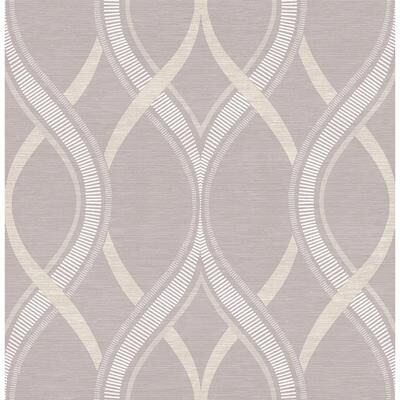
A-Street Prints Frequency Grey Ogee WallpaperRecreate the look of your room with this elegant and mod wallpaper design. A warm grey texture topped with a swirling ogee geometric, brings depth and dimension to walls featuring chic raised inks for the perfect finishing touch.100,03 $*Shipping: 0,00 $Secure redirect to the provider
-
Which steels are resistant to seawater?
Stainless steels such as 316 and 316L are highly resistant to seawater corrosion due to their high levels of chromium and molybdenum. These steels are commonly used in marine applications such as boat fittings, underwater equipment, and offshore platforms. Additionally, duplex stainless steels, which contain a combination of austenitic and ferritic microstructures, also offer good resistance to seawater corrosion. These steels are often used in seawater piping systems and desalination plants. **
-
What are alloyed and non-alloyed steels?
Alloyed steels are steels that have been mixed with other elements such as nickel, chromium, or manganese to enhance their properties like strength, hardness, and corrosion resistance. Non-alloyed steels, on the other hand, are steels that only contain iron and carbon as the primary elements. Non-alloyed steels are generally more ductile and easier to work with, while alloyed steels are often used in applications where higher strength or specific properties are required. **
-
In which steels does RP 10 play a role?
RP 10 plays a role in high-speed steels, tool steels, and stainless steels. It is commonly used as a cutting tool material in these steels due to its excellent wear resistance, toughness, and ability to maintain hardness at high temperatures. RP 10 helps improve the performance and longevity of tools made from these steels, making them suitable for demanding applications in industries such as automotive, aerospace, and manufacturing. **
-
Do high-alloy steels always have a carburized structure?
No, high-alloy steels do not always have a carburized structure. Carburization is a process in which carbon is diffused into the surface of the steel to increase its hardness. While high-alloy steels are often used in carburizing applications due to their ability to maintain their strength and hardness at high temperatures, not all high-alloy steels are carburized. The decision to carburize a high-alloy steel depends on the specific application and the desired properties of the final product. **
* All prices are inclusive of VAT and, if applicable, plus shipping costs. The offer information is based on the details provided by the respective shop and is updated through automated processes. Real-time updates do not occur, so deviations can occur in individual cases. ** Note: Parts of this content were created by AI.